#1 Choice for Laneway Houseb Builders in Vancouver
Laneway House, Coach House & Garden Suite Builders Vancouver
Laneway House, Coach House & Garden Suite Builders Vancouver
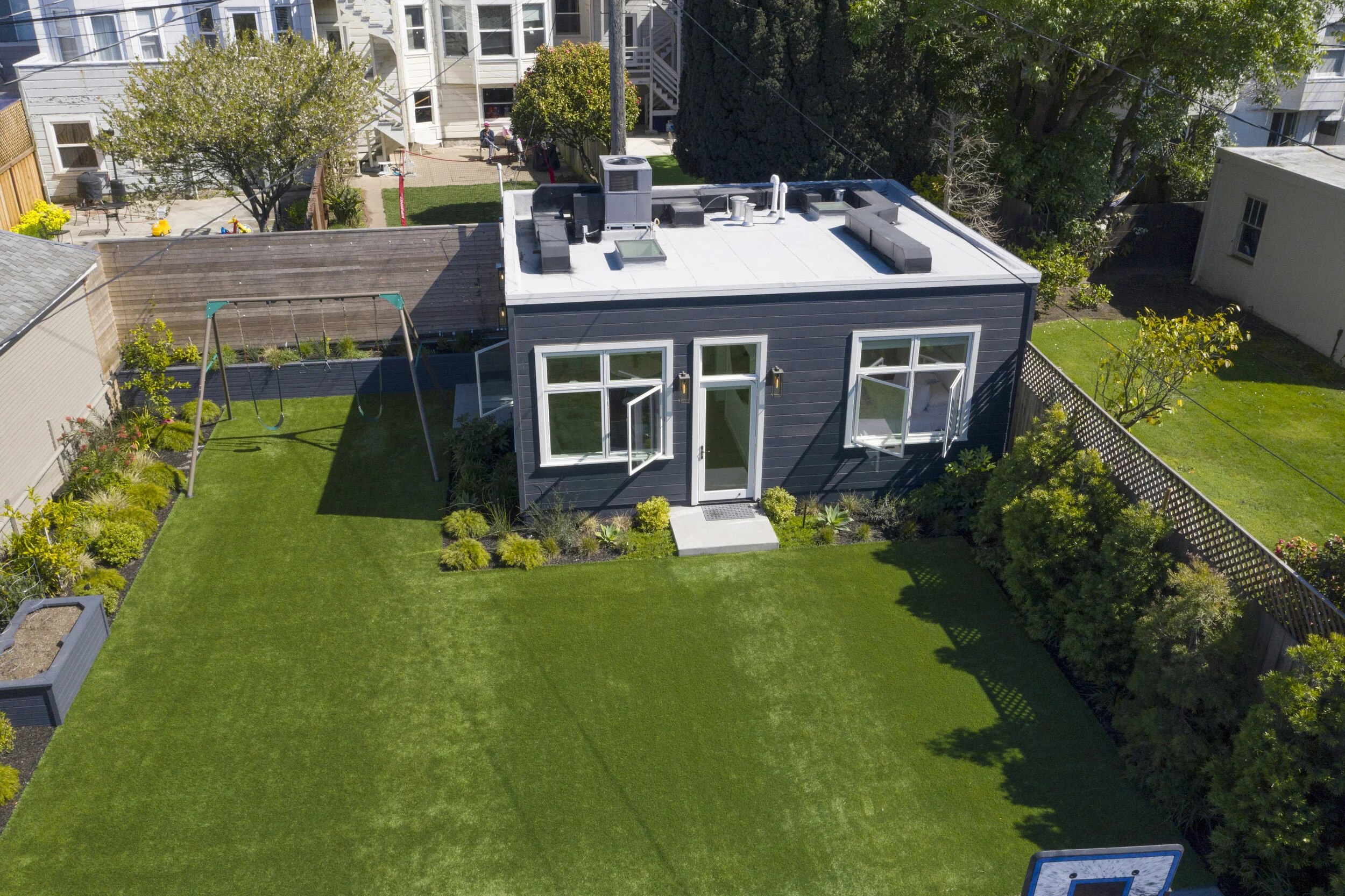
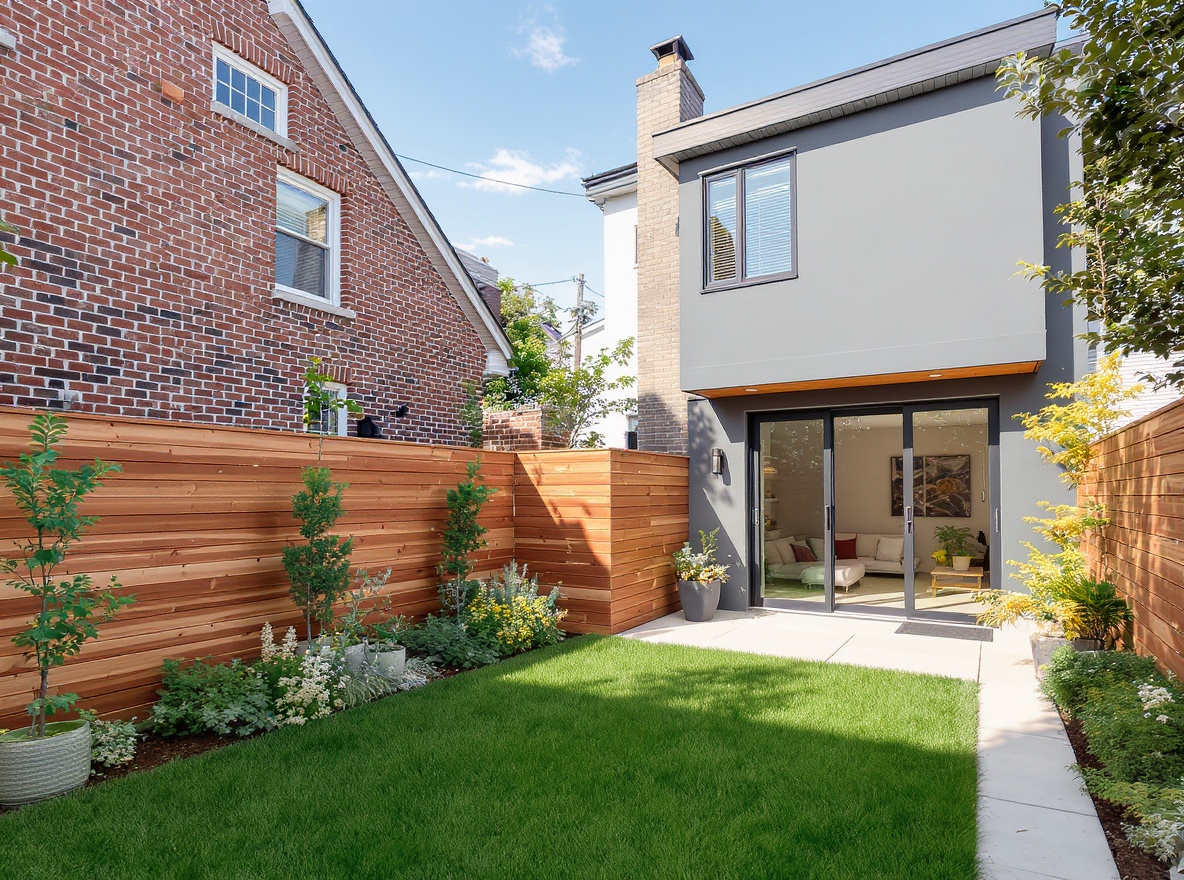
Laneway house builders in Vancouver specializing in detached garden suites, coach houses and mortgage helpers. We handle the City of Vancouver permits, design, and utility hookups.
Turn your backyard into a mortgage helper or a private space for your family
Building a laneway house in Vancouver is one of the smartest ways to increase your property value, but it is a complex construction project. You aren’t just building a “shed”—you are building a fully detached, high-performance home that requires its own plumbing, electrical, and gas lines. At Nobel BC, we specialize in managing the entire design-build process for laneway homes and coach houses. We focus on maximizing every square inch of your lot while staying compliant with the City of Vancouver’s strict zoning bylaws.
The Reality of Building a Laneway House in Vancouver
Navigating utility hookups, site access, and the permit office
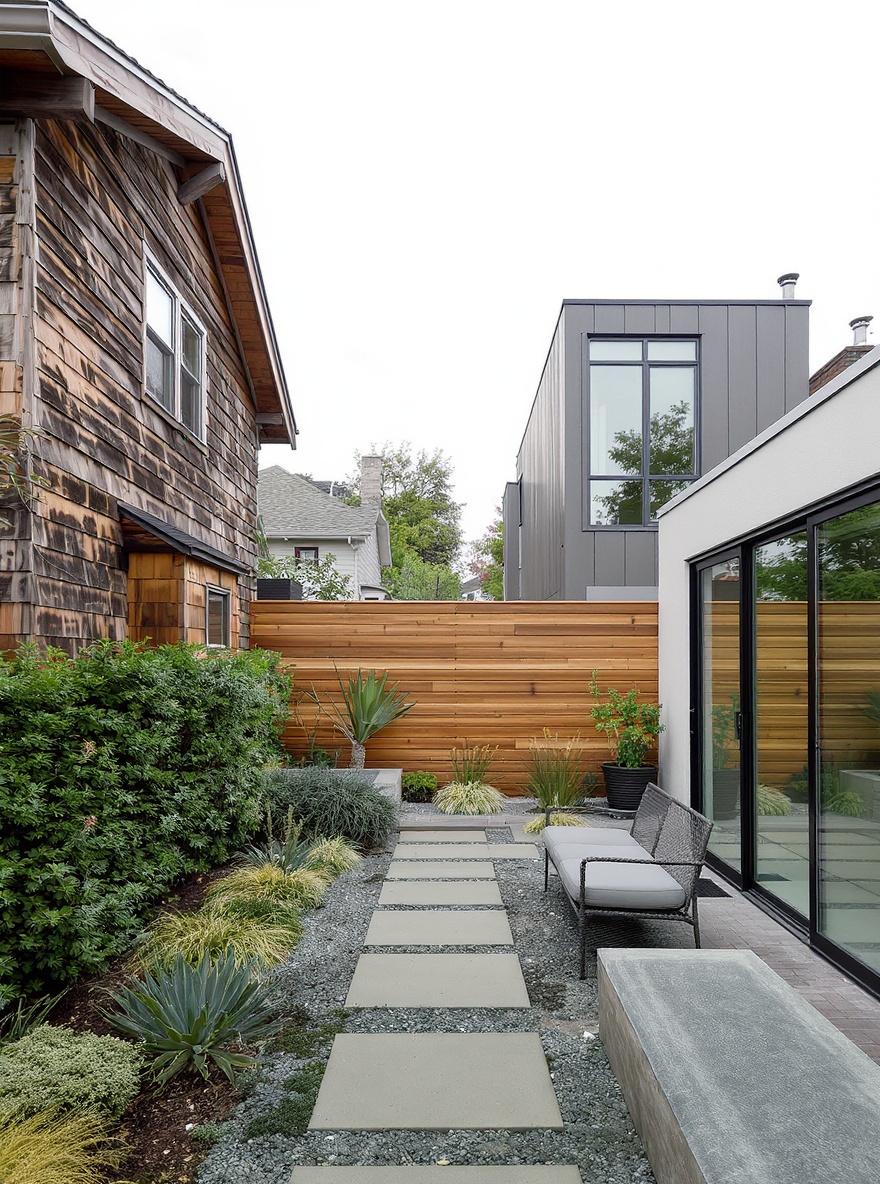
The biggest hurdle for most homeowners isn’t the design; it’s the logistics. When you build a laneway house, you have to deal with connecting services from the street or the main house, managing excavation in a tight backyard, and meeting the City’s specific requirements for “fire access” and “permeable surfaces.” We’ve been through this process many times. We handle the architectural drawings and the permit applications so you don’t have to spend your months arguing with the building department.
Garden Suites and Coach Houses for Growing Families
Creating "Generational Living" spaces for parents or adult children
Creating “Generational Living” spaces for parents or adult children.
Architectural Design Collaboration – Work with our network of award-winning Vancouver architects
Permit & Municipal Approvals – Navigate Vancouver's complex zoning and building codes with ease
Structural Engineering – Seismic-rated foundations built for BC's unique geological requirements
Interior Design Services – From millwork to lighting, every detail reflects your lifestyle
Project Management – Transparent timelines and budgets with weekly progress updates
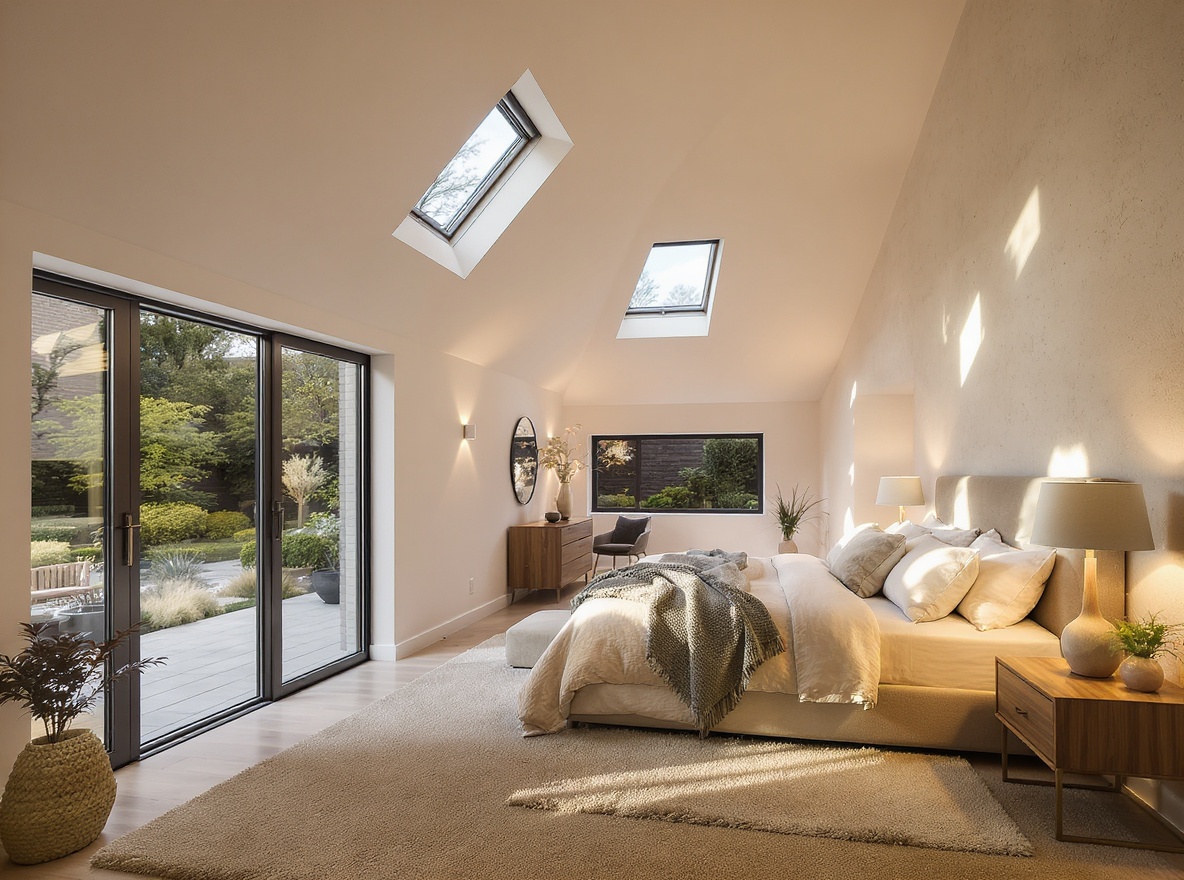
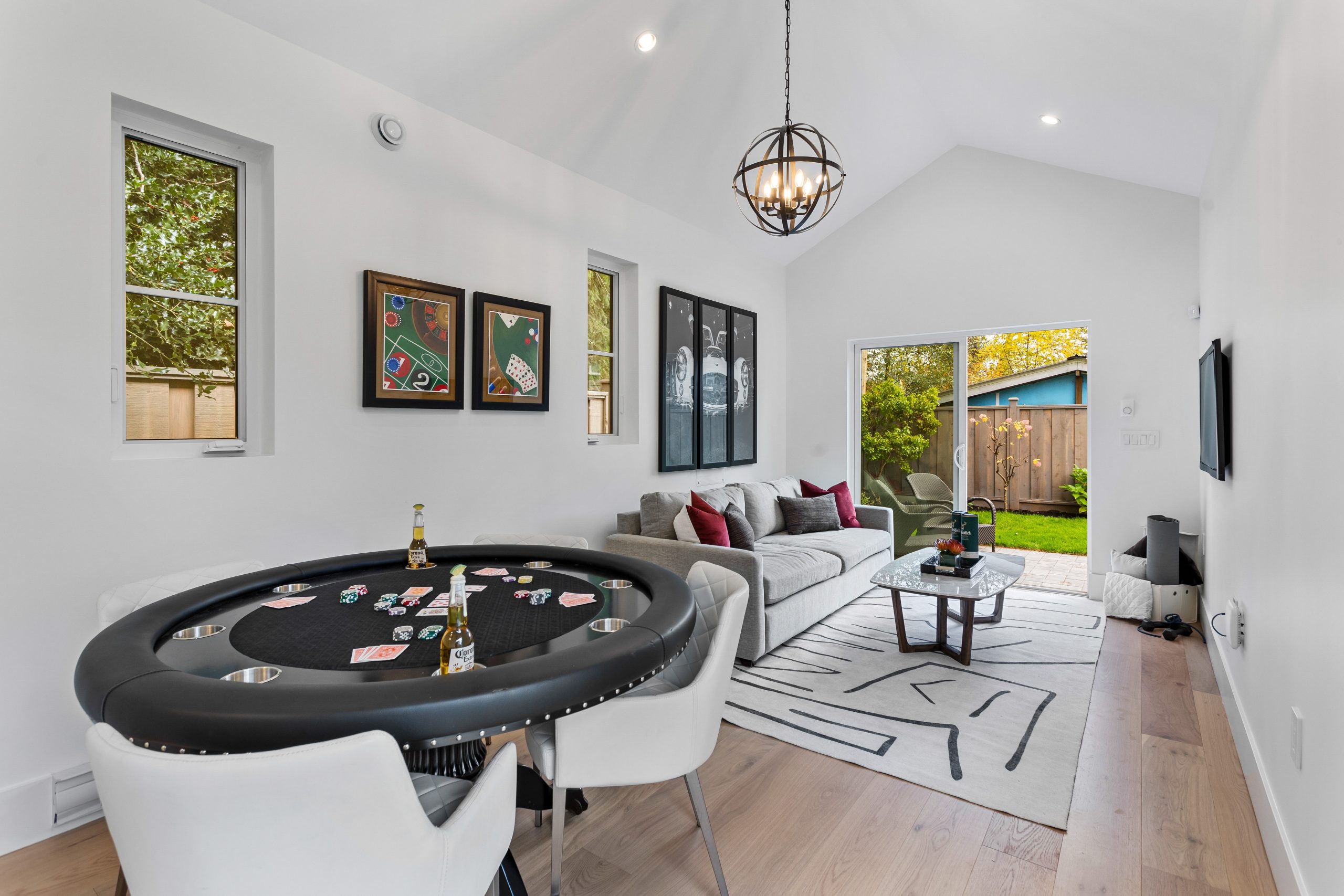
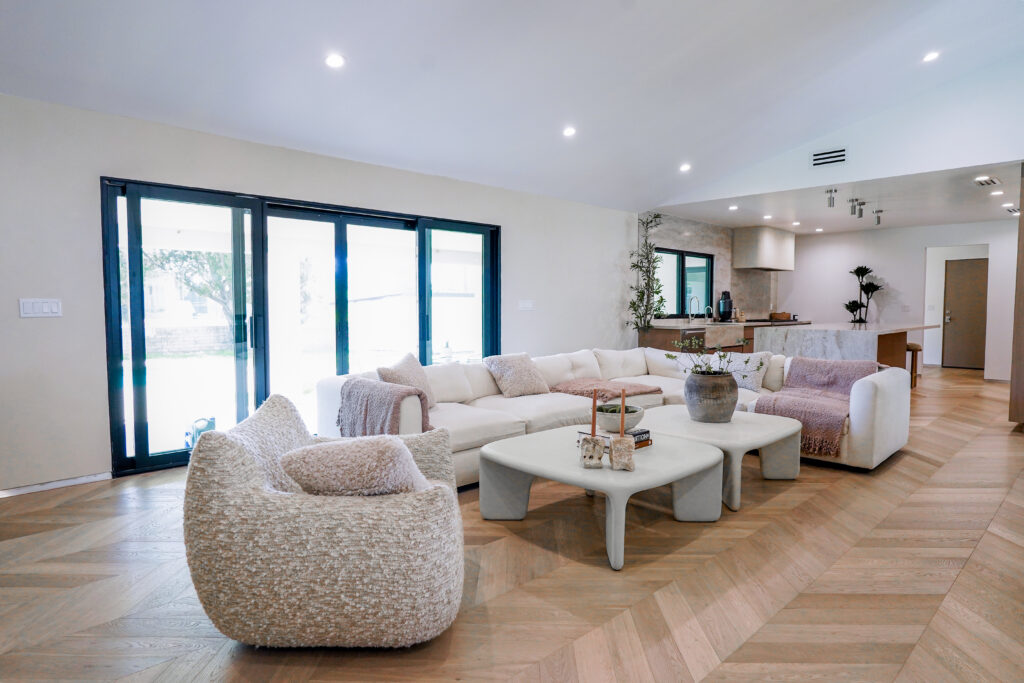
Many of our Vancouver clients aren't looking for renters; they’re looking for a way to keep their family together. Whether you need a "Garden Suite" for aging parents who want to downsize or a "Coach House" for adult children who can't afford the current Vancouver market, we build spaces that feel like a real home. We focus on high-end finishes, vaulted ceilings, and smart layouts that make a 600 to 900-square-foot house feel bright and open.
Nobel BC Founder
Developer
Mortgage Helpers: Building for High-End Rental Income
Designing for durability and maximum rental yield
If your goal for a laneway house is rental income, we design with durability in mind. We use hard-wearing materials that look great but can handle a rotation of tenants. From waterproof luxury vinyl plank (LVP) flooring to quartz countertops and compact, high-efficiency appliances, we build rental units that attract top-tier tenants in neighborhoods like Kitsilano, Mount Pleasant, and East Vancouver. A well-built laneway house can often pay for its own financing while adding hundreds of thousands to your property’s resale value.
Fixed-price contracts and clean, family-safe jobsites
Why Choose Nobel Homes as Your Laneway House Builders?
We know that in most cases, your family will be living in the main house while we build in the backyard. We pride ourselves on being the “good neighbors.” We keep the site tidy, we manage the noise, and we ensure the backyard is safe for your kids at the end of every workday. As a licensed BC Housing builder, we provide the 2-5-10 Year Home Warranty on all our detached builds, giving you the same protection as a full-sized custom home.
What is the maximum size allowed for a laneway house?
In the City of Vancouver, the size is generally based on your lot size. Most lots allow for a laneway house that is roughly 16% of the lot area, usually capping out at around 900 square feet for larger lots. We do a full zoning check on your property during our first site visit.
Does a laneway house have its own address and mail?
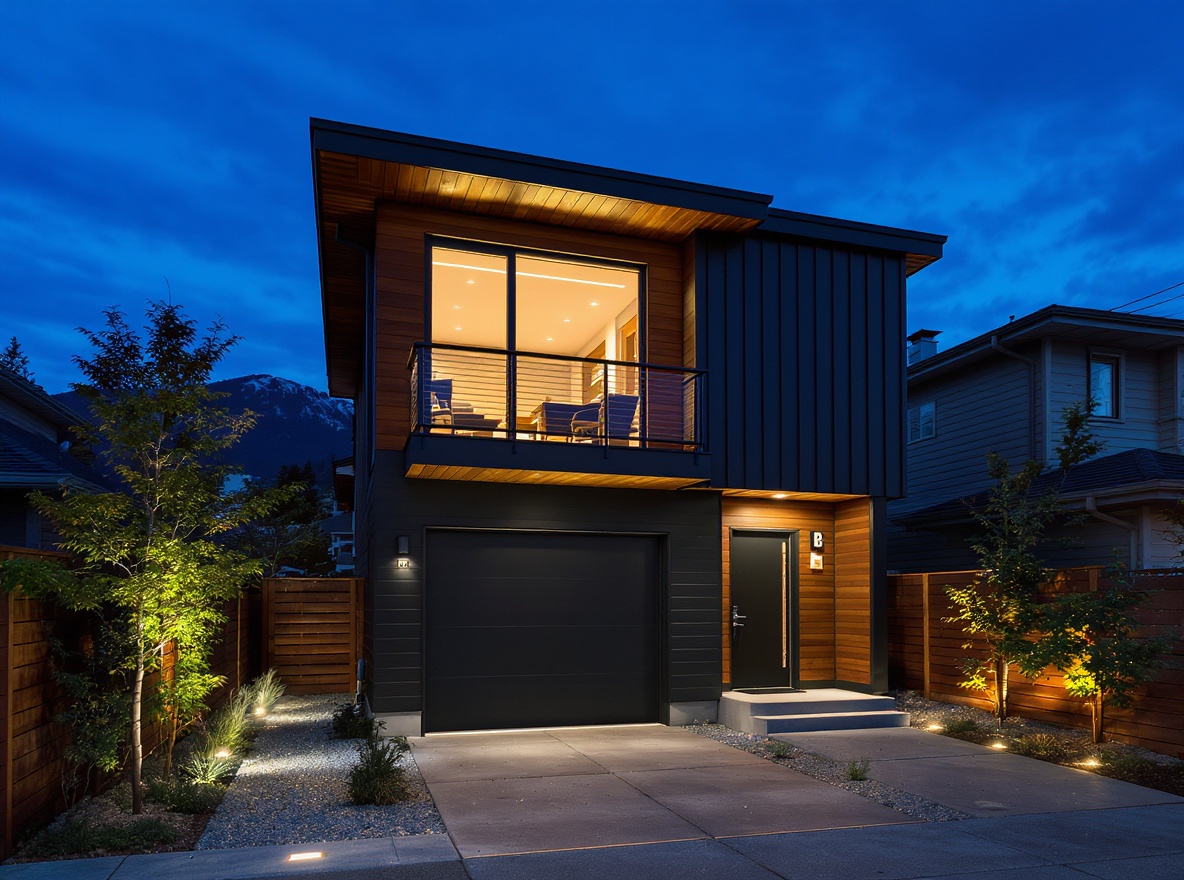
Yes. Once we receive the occupancy permit, the City assigns a specific address (usually with a “B” or a numerical suffix) to the laneway home. It will have its own separate entrance and utility meters if requested.
How much does it cost to build a laneway house in Vancouver?
In 2025/2026, a high-quality, permit-ready laneway house in Vancouver typically costs between $350,000 and $500,000. This price includes everything: excavation, utility hookups, city fees, and high-end interior finishes.
How long does the construction process take?
The permit phase in Vancouver can take 5 to 8 months. Once the permits are issued, the actual construction usually takes 7 to 10 months. We provide a project schedule so you know exactly when the heavy machinery will be on-site.
Can I sell my laneway house separately from my main house?
In most Vancouver zones, no. The laneway house and the main house are on a single title and must be sold together. However, this significantly increases the “buy-ability” of your property because of the built-in rental income.
Do I need to provide a parking spot for the laneway house?
The City of Vancouver has relaxed many parking requirements for laneway homes to encourage density, but there are still rules regarding “uncovered” parking spots on the lot. We’ll review your specific lot’s parking requirements during the design phase.
Is a laneway house built to the same code as a regular house?
Yes. In fact, because they are new builds, they often exceed the quality of the older main house. We follow the BC Energy Step Code, ensuring the unit is highly insulated, quiet, and cheap to heat and cool.
How do utility connections work for a backyard suite?
This is the most technical part of the job. We have to run water, sewer, and electrical lines from either the street or the main house. We handle the trenching and the coordination with BC Hydro and the City engineering department to ensure everything is hooked up correctly.
NobelBC Home Services
Craftsmanship, Quality, and Excellence
Discover the art of luxury living with our bespoke custom homes and premium renovations. Experience unparalleled craftsmanship and personalized service tailored to your sophisticated lifestyle.
We bring your vision to life, crafting signature homes from the ground up. From initial design to securing permits and development, we manage every aspect with precision and care.
Whether it’s a comprehensive remodel or a targeted update, we transform your home with meticulous attention to detail. Elevate your living space with our premium renovation services.
Commercial Expansion
Enhance your business environment with our commercial services. From office renovations to tenant improvements and expansions, we deliver functional and stylish solutions.
Specializes in bespoke renovations, including kitchen renovations. Focusing on high-quality, personalized spaces that reflect clients’ unique tastes and lifestyles, ensuring exceptional craftsmanship.
Do I need a permit for a small backyard office in Vancouver?
In most of the Lower Mainland, any structure larger than 107 square feet (10 square meters) requires a building permit. Even for smaller structures, you must follow “zoning bylaws” regarding how close the building can be to your fence line (setbacks). We handle the permit check during our first site visit.
Can I put a bathroom in my accessory building?
You can put a powder room (toilet and sink) in an accessory building in many zones, but adding a shower or a kitchen often re-classifies the building as a “Laneway House,” which has much stricter permit requirements. We can help you navigate what is allowed on your specific lot.
How long does it take to build a backyard studio?
Since the footprint is smaller than a house, the actual construction usually takes 6 to 10 weeks once the permits are issued. The permit process itself can take 3 to 5 months depending on which city you are in (Vancouver vs. North Van).
How much does a custom detached garage cost to build?
A basic custom-built detached garage in Vancouver typically starts around $60,000 to $90,000, depending on the size and if you want it finished inside with drywall and electricity. High-end workshops or “flex-spaces” with plumbing can range higher.
Can an accessory building be two stories tall?
Most municipalities in the Vancouver area limit accessory buildings (that aren’t laneway houses) to a single story with a maximum height (usually around 12-15 feet). This is to prevent “shading” of your neighbor’s yard.
Will an accessory building increase my property taxes?
Yes, adding a permanent, permitted structure adds value to your property, which can slightly increase your property tax assessment. However, the increase in resale value almost always far outweighs the tax change.
Do you handle the electrical hookups for my workshop?
Yes. We coordinate with licensed electricians to run a sub-panel from your main house to the new building. This ensures you have enough power for heaters, computers, or heavy-duty shop tools without tripping your home’s breakers.